

ASMR and Sensory Massage - Why Gentle Touch Feels So Relaxing
ASMR and Sensory Massage: Why Gentle Touch Feels So Relaxing
You have probably felt it before: a light touch on your arm, someone gently brushing your hair, or a soft, unhurried massage stroke that sends a wave of calm — sometimes even a pleasant tingling sensation — across your skin. That feeling has a name, and it is at the heart of why so many people are drawn to ASMR and sensory massage.
In this article, we will look at what ASMR actually is, why gentle touch can feel so deeply relaxing, and how a sensory-focused massage session brings that feeling to life.
What Is ASMR?
ASMR stands for Autonomous Sensory Meridian Response — a tingling, relaxing sensation that many people experience in response to specific gentle stimuli, such as soft sounds, slow movements, or light touch. People often describe it as a pleasant "tingle" that starts at the scalp and spreads down the back of the neck and spine, followed by a deep sense of calm.
Not everyone experiences the tingling sensation itself, but almost everyone recognizes the underlying feeling: a slowing down, a release of tension, a sense of being fully present. That broader relaxation response is what sensory massage is built around, whether or not you feel the classic ASMR "tingle."
How Touch Triggers a Relaxation Response
Our skin is covered in nerve endings that are highly sensitive to light, slow touch — far more than to firm pressure. When a massage uses feather-light strokes, gentle tracing, and unpredictable, varied movement, it engages these nerve pathways in a way that a brisk, task-focused touch simply does not.
This is part of why sensory massage often feels more relaxing than a rushed one: the nervous system responds to slow, gentle input by shifting out of "alert" mode and into a calmer, more restful state. Many people describe this shift as feeling lighter, sleepier, or emotionally soothed almost immediately.
What Makes a Massage "Sensory"
Not every massage is designed with this kind of touch in mind. A sensory massage typically focuses on:
- Pace — slow, deliberate movement rather than quick, repetitive strokes
- Pressure variation — alternating between light, feather-like touch and gentle pressure to keep the nervous system engaged
- Texture and rhythm — using fingertips, palms, and sometimes hair or soft fabric to create varied sensations across the skin
- Mindful presence — a therapist who pays close attention to how your body responds, rather than following a fixed routine
- Unhurried breathing — encouraging slow, steady breaths that help the body settle into relaxation
Together, these elements turn a massage into more of a full sensory experience than a purely physical treatment.
The Relaxation Benefits of Gentle, Mindful Touch
People who enjoy sensory massage often report:
- A noticeable drop in everyday stress and mental noise
- Improved ability to relax and "switch off," even if they usually find it hard to unwind
- A pleasant, calm mood that can last well after the session ends
- A feeling of being more connected to their own body and senses
Because the focus is on gentle, attentive touch rather than intensity, sensory massage is a good option for anyone who wants deep relaxation without the firmer pressure of a typical deep-tissue treatment.
Experience Sensory Relaxation at Larosa
If the idea of slow, deliberate, deeply calming touch appeals to you, a sensory-focused session is worth experiencing for yourself. It pairs especially well with our tantric massage, which shares the same emphasis on breath, presence, and unhurried touch. Get in touch with Larosa.cz to book a session designed around the kind of gentle, sensory relaxation your body has been missing.
← blog
What Is Tantric Massage - Meaning, Origins, and What to Expect
What Is Tantric Massage? Meaning, Origins, and What to Expect If you have ever come across the term and wondered,...
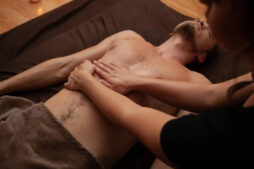
Tantra vs. Nuru: Which Massage Should You Choose and What’s the Difference?
The world of erotic massage offers a wide variety of techniques, each with its own unique features and benefits. Among...
Erotic Massage for Couples in Prague: How to Rekindle the Spark in Your Relationship
In long-term relationships, it’s common for intimacy to lose its intensity and excitement over time. Stress, routine, and daily worries...
Happy Hours

Glamour Erotic Massage — premium private salon in the heart of Prague. Discreet, NONSTOP.


Navigation
Career
Are you looking for a masseuse job?
Become part of our team
© 2026 Larosa · Glamour Massage. All rights reserved.
- I am 18 years old and over
- I agree that I will not display the content of this website or distribute it to persons under the age of 18
- Erotic content offends me and I enter this site completely voluntarily
If you agree with all of the above three points, you can continue browsing the site.
We look forward to seeing you!